South India Granary's
The major source of irrigation for agriculture in this district is river Cauvery, which is thought of for its history in water conservation. With its rich soil, the Composite Thanjavur District is one of the most important regions of paddy cultivation in Tamilnadu, but also in South India.
The district of Thanjavur is situated on the east coast of Tamil Nadu. The district is seventy-eight in number.
Since composite Thanjavur is massive in quantity, for administrations Convenience two districts had been carved out from Thanjavur composite district.
Nagapattinam district was created by bifurcating Thanjavur district on 19.01.1991. Thiruvarur, Mayiladudurai, Mannargudi, Nagapattinam divisions and Valangaiman taluk from Kumbakonam division were part of the Nagapattinam district at the time.
In the year 1997 Nagapattinam district was bifurcated for administrative convenience into Nagapattinam and Thiruvarur.
The district is linked to the north by Coloroon, which divides it from the districts of Ariyalur and Tiruchirapalli.
The eastern districts of Thiruvarur and Nagapattinam. The Palk Strait and the South Pudukottai and the West Pudukottai and Tiruchirapalli.
The district area is 3396.57Sq.km. It is made up of three divisions: Thanjavur, Kumbakonam, Pattukottai, Thanjavur, Kumbakonam, Papanasam, Pattukottai, Peravurani, Orathanadu, Thiruvidaimarudur, Thiruvaiyaru, Budalur and nine Taluks. Thanjavur is the district headquarters.
Due to its agricultural activities in the delta area of the River Cauvery, the district of Thanjavur is dubbed 'The Rice Bowl of Tamil Nadu'.
Thanjavur's mosque, history and architecture are world-famous. It is the position of history dominated by Chola, Nayk, Marathas and was before Independence under British control. In the great monuments like Grand Anicut, Major Temple and Sarofoji Mahal, Palace and Saraswathi Mahal Library, etc., the pursuits of these rulers are expressed in the district.
The population of the district is 24,05,000 numbers as in line with Census 2011. The population density is 708 people according to sq.Km. The district literacy fee is 82.72 %.
Thanjavur District is one of the 32 districts of the state of Tamil Nadu, in southeastern India. Its headquarters is Thanjavur. As of 2011, Thanjavur district had a population of 2,405,890 with a intercourse-ratio of one,half girls for every 1,000 males. Thanjavur is a crucial middle of South Indian faith, artwork, and architecture.
Most of the Great Living Chola Temples, that are UNESCO World Heritage Monuments, are positioned in and around Thanjavur. The main amongst these, the Brihadeeswarar Temple, is positioned inside the middle of the city. Thanjavur is likewise home to Tanjore portray, a painting style specific to the region. It consists of 9 Taluks- Thiruvidaimarudur, Kumbakonam, Papanasam, Pattukkottai, Peravurani, Orathanadu, Thanjavur, Thiruvaiyaru and Budalur.
Thanjavur district is called ‘the Rice Bowl of Tamil Nadu’ due to its agricultural activities inside the delta area of river Cauvery. The temples, culture and structure of Thanjavur are well-known throughout the world. It is an historical vicinity ruled through Cholas, Pandyas, Nayaks, and Marathas and changed into below British rule until Independence.
The population density is 708 people in a square km. The district is 35% urbanized and constitutes a literacy charge of eighty two.72%. Thanjavur is the headquarters of the Thanjavur District. The metropolis is an important agricultural center positioned in the Cauvery Delta and is known as the "Rice bowl of Tamil Nadu". Thanjavur is administered via a municipal organization protecting an area of 36.33 km2 (14.03 sq. Mi) and had a population of 222,943 in 2011. Roadways are the fundamental method of transportation, at the same time as the town also has rail connectivity.
Scholars agree that the name Thanjavur is derived from Tanjan, a legendary demon in Hindu mythology. While the early history of Thanjavur remains unclear, the metropolis first rose to prominence at some point of the reign of Medieval Cholas when it served as the capital of the empire. After the autumn of Cholas, the metropolis changed into dominated by numerous dynasties like Pandyas, Vijayanagar Empire, Madurai Nayaks, Thanjavur Nayaks, Thanjavur Marathas and the British Empire. It has been part of impartial India given that 1947.
General Characteristics of the District Thanjavur District is the Rice Bowl of Tamil Nadu because of its agricultural activities within the delta area of river Cauvery.. The district stands precise from time immemorial for its agricultural sports and is rightly acclaimed as the Granary of South India. The district headquarters is Thanjavur.
The temples, way of life and structure of Thanjavur are well-known in the course of the arena. It is an ancient region dominated by Chola, Pandya, Nayak, Marathas and turned into under British rule until Independence. The pastimes of those rulers are pondered inside the great monuments like Grand Anicut, Big Temple and Serfoji Palace and Saraswathi Mahal Library, etc. In the district The Big Temple and different well-known temples in Kumbakonam and Darasuram within the district are acknowledged all around the international. Thanjavur was the cultural capital of the country at some point of the Eighteenth century.
Thanjavur gained prominence in the course of the duration of Chola Kings, who made it their capital. Thereafter, it was ruled by Nayaks and Maratta Kings, who nurtured artwork and culture. The cultural, the architectural and the scholarly pursuits of these rulers are reflected within the awesome monuments like Grand Anicut, Big Temple and Serfoji Mahal Library and so forth. In the district. The Distt. Is widely recognized for its inventive sports like art making, painting, icon manufacturing and bell metal merchandise.
These are the principal exportable objects which additionally include musical devices like Veena. The industrial increase inside the district has been confined to agro-primarily based industries. A massive number of Rice turbines, Oil generators and Sugar turbines are deployed over the district. The rail community of Thanjavur district falls under Tiruchirapalli division of Southern Railway. The community connects Kumbakonam, Thanjavur leading to Tiruchirapalli and Madurai in west and closer to Thiruvarur in east. It also connects Pattukottai which lies in the South of the district.
The total course duration of the railway community inside the district is ninety six.52 Km (Broad Gauge) and the total tune duration is ready 122 Km (Broad Gauge). This district has about 45km of shoreline in the southeastern element The economy of Thanjavur district is essentially from agriculture and allied quarters. Above 75% of the workforce had been dependent on agriculture.
The district is a deltaic region fed by the rivers Cauvery and Vennar. Some portions are likewise fed by way of the Grand Anicut canal. Groundwater has been regenerated substantially to improve the cropping season which may be liable to harm for the duration of North East monsoon. The fundamental vegetation cultivated here are Paddy, Pulses, Gingelly, Groundnut and sugarcane. Maize, Soya beans, Redgram are the minor plants grown here.
Thanjavur is well known for its creative sports like art-making, portray, icon production, and bell steel merchandise. These are the major exportable gadgets that also include musical units like Veena. The industrial boom within the district has been limited to agro-primarily based industries.
A large variety of Rice generators, Oil mills, and Sugar mills are unfolding over the district. The rail network of Thanjavur district falls underneath the Tiruchirapalli department of the Southern Railway. The network connects Kumbakonam, Thanjavur main to Tiruchirapalli and Madurai in the west and closer to Thiruvarur in the east.
It additionally connects Pattukottai which lies in the South of the district. The total route duration of railway network within the district is 96.52 Km (Broad Gauge) and overall tune duration is 122 Km (Broad Gauge). Thanjavur District is famous for lots of Handicrafts Items which might be unique in the feature at a global degree.
Handicraft talent is hereditary and restricted to a few households in the District like Thanjavur, Swamimalai, and Nachiarkoil. The Crafts encompass the manufacturing of Handicraft items like Bronze Icons, Tanjore Art Plates, Tanjore paintings, Bell Metal Lamps and Musical Instruments.
Availability of Minerals Laterite, sandstone and Kankar were located in Thanjavur district. Quartz crystals rolled into pebbles have been also discovered. Iron ore, Laterite and sandstone are located close by Vallam. Kankar and limestone occur below pink soil. Laterite, ranging within the thickness from 0.Three to one. Zero meter., is to be had close to Grand Anicut and Thirumalaisamudram.
The thickness of Kankar in Thirumalaisamudram place ranges from 2.0 to two.5 metre and the full reserves were estimated to be about zero.Five million tonnes. Kankar is of desirable first-class coal ranging from 48.Forty two percent to 52.72 percent and low in Magnesia.
So a long way no mining is finished in this district. The district has the ability for industries based totally on these mineral assets. 1.4 Forests: The district possesses 3426 hectares of land below woodland constituting 1.01% of its geographical place and a meager 0.18 % of the forest area of the nation. Timber and Cashew (1400 kg) are the forest produce to be had.
POTENTIAL NON FARM SECTOR INDUSTRIES
Raw cloth-based totally activities:
Brickworks – 220 units such as chamber brick and u . S. Brick devices.
Coconut based total activity: Copra making, Oil extraction, and Desiccated coconut.
Demand primarily based activities:
Structural fabrication work – BHEL ancillary. Eleven
Ready-made garment units, Printing press and Computer center.
Plastic luggage, E.B. Conduits and so on.,
Fishnet making gadgets.
Bio-fertilizers.
Skill primarily based sports:
Carpentry Units.
Gold Jewellery slicing works.
Weaving – Silk sarees, Cotton sarees.
Export-oriented sports:
Handicraft merchandise like Lamp, Icons, Art plate, Pooja painting.
Rural Artisan based activities:
Thanjavur Art plate and artwork.
Musical Instruments.
Swamimalai Icons and Pooja Icons.
Nachiarkoil Bell Metal Lamp.
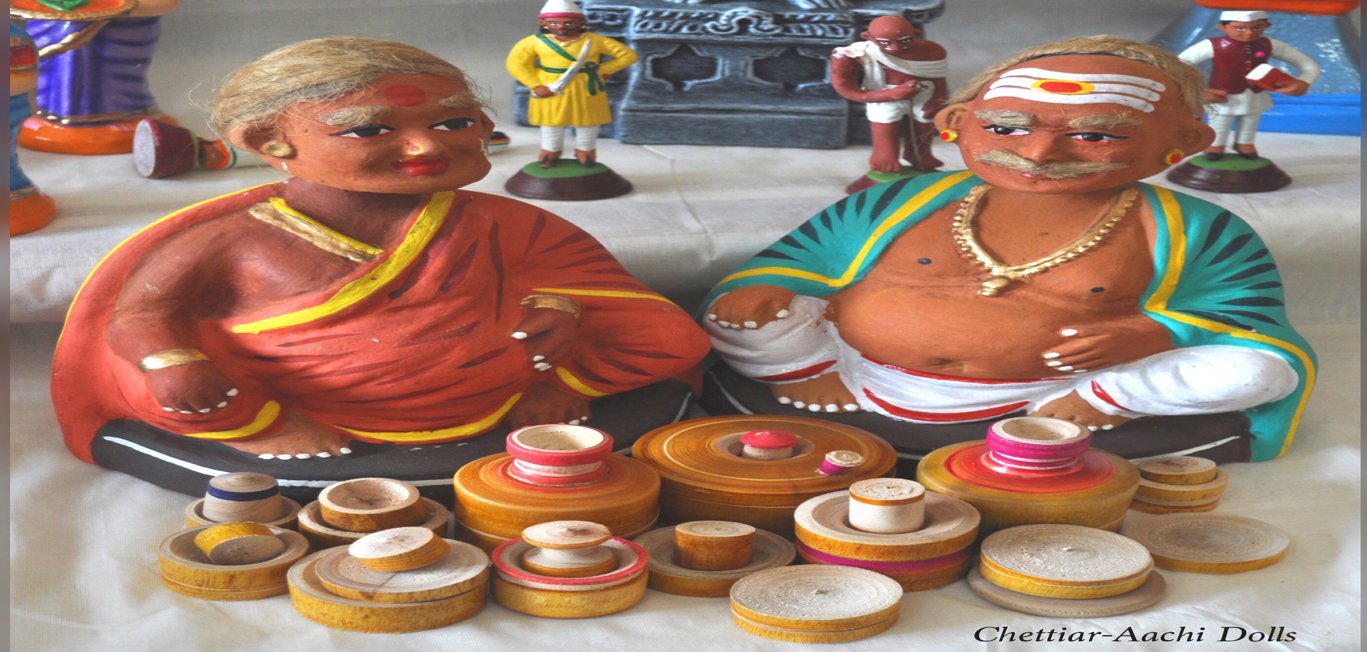
Thanjavur Dancing doll.
Service Enterprises
The boom of software enterprise and educational establishments within the global in general and Tamilnadu specifically and the migration of skilled and unskilled labor toward greener pastures have its impact in this district also. In reality, it has helped in improving the financial standards of human beings, who had otherwise confined to agriculture. Engineering Colleges, IT-related educational institutions, and different academic institutional started spreading within the district. Two and 4-wheeler provider middle repair and service establishments and other service zone organizations have started out mushrooming.
Potential for new MSMEs Resource & Demand-based totally Industries –appropriate for Thanjavur district
- Energy Food
- Ready mixes for Savouries
- Sugarcane Beverage- Bottled
- Meat Gravy Concentrate
- Ready-to-Serve Fruit Based Beverages
- Coconut Based merchandise like
- Coconut Cream
- Coconut water- Preserved & Packaged
- Desiccated coconut
- Coconut husk particleboard
- Coconut Moulded Baskets
- Coconut-shell Cups
- Coir Brushes
- Coir Yarn
- Coir Mats
- Coir carpets
- Coir rugs
- Manure from Coir Pith
- Value delivered food products from Banana like:
- Banana Figs (Dehydrated banana)
- Banana Chips
- Banana flour/powder
- Banana Jam
- Banana Fruit bar
- Banana Juice (Ready-to-serve)
- Banana based infant meals
- Banana biscuits
- Banana based totally Health drink
- Alcohol from banana waste.
- Banana Fabric polymer Compost
- Cushioning Material Out of Banana Stem
- Banana fiber & fancy articles
- Milk Products
- Mango Pickles
- Mango Chocolate
- Mango gentle liquids
- Mango kernel Oil
- Mango Nectar
- Mango Chutney
Value-added Products from Fish a. Fish processing & Canning b. Fish pickles c. Fish meal d. Fish protein pays attention e. Shrimp pickles f. Shrimp feed. G. Fresh-water prawn tradition.
Places to Visit Near Thanjavur
Darasuram is famed for the Airavatesvara temple that is positioned in the metropolis. It is close to Kumbakonam in Thanjavur, which is every other city of excellent spiritual significance. Airavatesvara Temple is 35 km from the town of Tanjore and is effortlessly approachable from Tanjore. The temple architecture that is observed in Tanjore and Darasuram is comparable, as a result of the fact that the temples in each location have been constructed by means of the kings of the Chola Dynasty.
How To Reach Darasuram Darasuram is effortlessly approachable from Kumbakonam thru bus and rail. The city has its own railway station from where normal trains ply to the cities of Kumbakonam and Tanjore.
Brihadeshwara Temple,
The largest enchantment of Thanjavur - The Brihadeshwara Temple, also known as the Big Temple. Built for the duration of the reign of the Great Chola emperor, Raja Raja Chola, this temple is an architectural marvel.
Protected by deep trenches on both sides and the Grand Anicut River running through another, this temple is a face of many of the pilgrims. The shrine itself is a 216 toes structure. The sanctum is dotted with artwork from the Chola and Nayak intervals. The statue of Nandi the Bull welcomes at the entrance.
Gangaikonda Cholapuram,
The magnificence of the Gangaikonda Cholapuram in conjunction with the Brihadishwara temple will enchant you and thrill you with its history and engineering. A place which is an affidavit to the architectural and engineering genius of the area and the satisfaction of one of the greatest empires of India - Chola Empire, Gangaikonda Cholapuram is a place worth exploring.
Gangaikonda Cholapuram turned into the capital metropolis of the Chola Empire for greater than centuries. This location of outstanding historical relevance marked the start of one of the finest reign in Southern Indian records. Today the superb historical city is not anything but a small village with the Lord Siva temple as the symbol of the grandeur of its as soon as a wonderful route. Compared normally to Thanjavur, every other exceptional Chola town, Gangaikonda Cholapuram is a superb location to discover and unfold its heritage, grandeur and problematic marvels and testimonies effectively tucked in history.
Shiva Ganga Garden,
Shiva Ganga Garden lies inside the Vijayanagar Fort and is open to the public. This lawn may be very properly maintained and for this reason a delight to visit. A rectangular tank is located in the Siva Ganga Garden built by using the 16th-century rulers for supplying water to the Tanjore Palace remains in use and is widely recognized for its sweet-tasting water.
Vijayanagar Fort,
Vijayanagar Fort is a famous traveller spot located almost 2 km from the Brihadeeswara temple. This majestic castle was constructed by way of Nayaks and partially with the aid of Maratha rulers for the duration of the early 1550 AD.
The castle houses a Tanjore Palace, Sangeetha Mahal, Library and an outstanding artwork gallery that consists of many sculptures and paintings. The Shiva Ganga Gardens also are a part of the complex. Though the castle is often in ruins, it nevertheless echoes its strength and grandeur it needs to have as soon as possessed.
Thanjai Mamani Koil,
Thanjai Mamani Koil near Thanjavur is a set of three Vishnu temples, collectively known as a Divyadesam. It is many of the 108 such more temple premises in India. The temple has a nearby beginning fantasy that has its roots in one of the many canonical myths approximately Lord Vishnu.
He is worshipped over right here mainly in his Narasimha avatar, which he took especially to defeat the evil king Hiranyakashipu to shop his devotee Prahlad. Their idols are present right here as properly. It is a shrine loved and frequented via the devotees of Vishnu.
The temple gives the particular possibility to witness three abodes of the Lord on the equal location, at the side of deities of his consort and different related gods. People visit the place for all variety of reasons. In one of the shrines, Goddess Lakshmi sits at the proper facet of a furious Vishnu, which signifies that goodness can't survive wherein there's uncontrolled anger. Being one of the 108 Divya Desams, the temple has an extraordinary appeal altogether.
Alangudi Guru Temple,
Alangudi and its temple are well-known for being the Holy Sthala surrounded by the 3 holy rivers Cauvery, Kolidam and Vennaru. The vicinity and the temple are in detail connected with each different and feature some ancient, mythological and local folklores tied to its past foundation and gift legend.
The Alangudi Guru Temple is dedicated to the Abathsahayeswarar shape of Shiva - the one who digested the poison of Vasuki Nag to store humanity from its toxin all through Samudra Manthan. It also houses his lady counterpart Elavarkuzhali and a few different deities as well.
The temple is likewise acknowledged for being the house of Devguru Brihaspati or the planet Jupiter. As in line with Hindu Mythology, the nine planets are considered to be gods of heaven, in which Earth, Uranus, Neptune and Pluto are replaced with the aid of Sun, Moon, Rahu and Ketu. Tamil Nadu has nine temples devoted to each of these nine celestial beings, and this one is for Jupiter.
Staying actual to the yellow hue of the planet we see in snapshots, gifting yellow clothes here is considered sacred. The transition of Jupiter from one zodiac to some other constellation is celebrated right here as a big festival. Other gala's like Thai Poosam and Chithhtirai Purnima are also celebrated with pomp and show.
Ultimate Thanjavur Thavil
Thavil is a conventional musical tool of the historic metropolis of Thanjavur in Tamil Nadu. A critical part of the Carnatic song in Thanjavur, Thavil is a shape of a drum that is performed on unique festive activities within the place. The musical instrument of Thavil is made of hollow timber, animal skin, and metallic.
The Thavil is an unprecedented South Indian percussion Instrument that turned into in advance utilized in Folk and temple song however now has determined its location in Carnatic song as well. It is frequently used as an accompaniment in Nadaswaram. Made in Thanjavur, the Thavil is performed with a stick and finger caps manufactured from fiber. The forte of the instrument is such that an excellent Thavil may be very hard to find.
Made from extraordinary jack fruitwood and High tensile power for steel straps. Light-colored wooded end, Sturdy device
Finger caps protected and it Has an attached strap to put on around shoulders.
Thavil is a traditional musical instrument of the historic metropolis of Thanjavur in Tamil Nadu. It is an indispensable part of the Carnatic track in Thanjavur. It is mostly made in Thanjavur.
Thavil (Tamil:தவில்) or tavil is a barrel-shaped percussion device from Tamil Nadu. It is utilized in temple, folk and Carnatic tunes, frequently accompanying the nadaswaram. The thavil and the nadaswaram are vital additives of traditional festivals and ceremonies in South India.
In folks music contexts, a pair of wider, slimmer sticks are once in a while used. Thanjavur is famous for thavil, so-known as Thanjavur Thavil. In Kollywood Filmi songs thavils are normally used, Notable films: "Thillana Mohanambal", "Paruthiveeran", "Karagattakaran", "Sarvam Thaala Mayam".
Thavil is a conventional musical device of the historical metropolis of Thanjavur in Tamil Nadu. It is an imperative part of the Carnatic tune in Thanjavur. It is usually made in Thanjavur and Valayapatti.
Food of Thanjavur
A typical meal consists of
Rice, Sambhar(Curry), two types of vegetables, curd and a pickle. as well as Dosas, idilis, Upma, Parota, Sambhar, Rasam, Pongal, Paysam, Kesari, Sweet pongal.
Every south Indian dish gives a vegetarian a very likable taste. The cuisine of Tanjore provides one with a lot of delicious options to devour.
A very good vegetarian dish is Thavala Adai. Rice and lentils are its prime ingredients. Traditional cooking method make it little crispy on the outside while providing soft texture inside. It is served with its complimentary companion coconut chutney, tomoto gothsu or eggplant gothsu. It can also be served with rasam the combination of which makes it even more delicious. It is a very important Tanjore dish.
If you have to quench your thirst with something which has traditional taste of Tanjore a good choice in the matter would be Paanagam. It is made in big barrels and distributed to volunteers during the festival of Theru Thiruvizha (The Chariot Festival). The festival falls during the month of May and also during August. Though the drink can be held at any time of the day in any month but the best time to have it is in summers because of its cooling properties. It is a superb instant energy booster and helps you to have relief from draining heat of summers. It is made from jaggery and lemon, cardamom and other ingredients enhance the taste.
Talking of drinks and quenching thirsts a marvelous drink to have is exotic drink Vasantha Neer. It is made from the water of coconut and the essence of mint quenches one’s thirst and enhances appetite.
Non-Vegetarian Food in Tanjore:
A definite reason for this place to be particularly stomach churning for non vegetarians is that the state has a great coastal line which makes it an enriching place in the section of sea food and the influence can definitely be seen in Tanjore and its different varieties of non vegetarian dishes.
Food from the sparkling sea includes fishes, crabs and lusciously tempting lobsters. Fishes are prepared in coconut milk that provides a very different taste to it. Love for non veg has transformed into popular culture and there are lots of non veg food providers that have come up that can deliver the food at your place at reasonable prices.
There are also restaurants that provide good non veg food at very reasonable price. Sathars restaurant that is situated on Gandhi ji road is often reviewed as one of the very fine restaurants by non veg lovers as the price is very reasonable and the quantity is plenty.
Sweet Delicacies of Tanjore:
Any part of India is incomplete without sweets. We Indians love sweets that probably might be the reason for even loving our enemies. Thajavur has a variety of sweetness included in its cuisine. The dishes include Surul Poli, Pal Payasam, soojji appam and Kozhakottai.
Brihadeeshwara Temple is a revered temple for
Hindus, which they bestow to Lord Shiva (The God of destruction). This temple is one of the largest temples of India, and one of supreme brilliances of Indian
architecture. Category : Archaeological site and Southeastern Asian Religious structure of
Hindus.